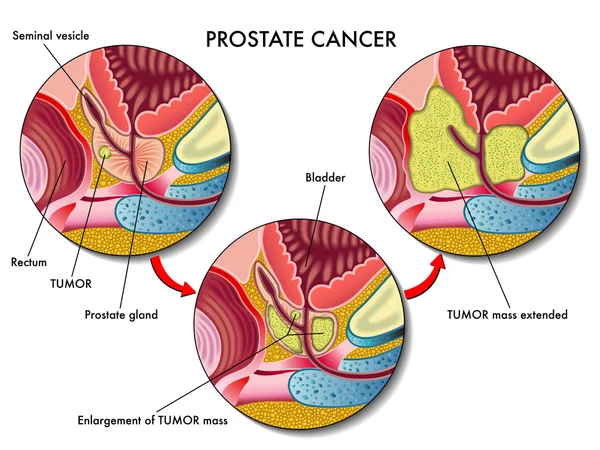
Prostate cancer is a form of cancer found in the prostate gland of a male, which is a small-sized gland with the shape of a walnut consisting of seminal fluid that helps support and transport sperm. This is considered one of the most prevalent forms of cancer among men and older men in particular, predominantly those aged over 50 years.
At the very beginning, most cases of prostate cancer do not have any outward signs. However, advanced prostate cancer, such as:
Increased trouble with urination or ineffective urination
An overwhelming urge to urinate, especially during the night
Experiencing pain while urinating with blood in urine and sometimes semen
Constant pain in the lower back, pelvic bone or hip bone.
Problems getting an erection
Causes and Risk Factors
Despite being diagnosed with prostate cancer number of researchers are unable to pinpoint what causes this type of cancer specifically; several conditions or traits are likely to make them develop
The following methods can diagnose patients with prostate cancer as per the findings.
Stage Ι
The tumour is localized in a small area in the prostate.
Stage ΙΙ
The cancer is getting more advanced, yet it is still restricted to the prostate.
Stage ΙΙΙ
The cancer has spread beyond the confines of the prostate to the surrounding structures
Stage IV cancer
This cancer stage indicates the spread of the disease to other regions in the body, which may include end bones or end lymph nodes.
Treatment
The Location and extent of the Prostate cancer, the general well-being of the patient and the preferences of the patient are looked into before determining the Management of Prostate Cancer. The most common treatment incorporates.
There is variation in the prognosis associated with prostate cancer. Treating prostate cancer in the early stages has an excellent prognosis with favourable chances of even wholly curing the patient. In previously ill patients with terminal illnesses, many effective surgical treatments can control the disease in the early stage of spread for several years. The factors that enhance better outcomes are the adoption of routine health screening and early intervention.