
Repairing the future, one step at a time.
for the generation
Hypospadias repair is a surgical technique that is undertaken to rectify a problem known as hypospadias where the opening in the urethra, the duct through which urine leaves the body, is not positioned at the top of the penis but at the centre towards the bottom. This problem is present at birth and ranges from mild to severe depending on the distance of the external urethral meatus from the top of the penis where its found in-between the shaft, its base or even within the scrotum.
Purpose and Goals of Hypospadias Repair
In terms of outlining the procedure for hypospadias repair, three main objectives are usually enunciated, namely:
Surgical Operation
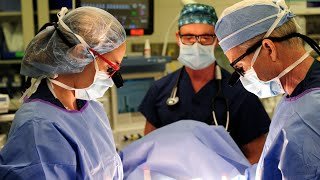
Ptosis correction is mostly performed by a pediatric urologist who is focused on surgical treatment of the urinary tract and genital system in children. The procedure is usually done at a very young age, that is, 6 to 18 months, although it can be done later on if need be.
The surgery is done under general anaesthesia meaning the child is sleeping throughout the procedure and feels no pain. The various surgical steps can be performed differently depending on the degree of hypospadias but in general may include.
Postoperative Care
There are cases where, right after the surgery, children become hospitalized for a little while to be monitored. All patients must receive adequate pain relief after surgery and such medication is administered to put the child at ease.
This is done to prevent the new urethra from being strained and therefore, urine is directed through a catheter which is placed for some days. Parents receive detailed instructions on how to take care of the catheter and the surgical area at home. It is necessary to have appointments with the surgeon to mitigate the healing process and confirm that the repair is working appropriately.
Risks and Complications
Surgical procedures infection treatment, and hypospadias surgery bring some risks like any surgical procedure, for example, bleeding, postoperative infection and allergic reactions to anaesthesia. Some common hypospadias surgery complications could be
Long-Term Outcomes
Rarely, children who had the surgical repair of congenital hypospadias will ever suffer from any urinary or sexual dysfunction. The surgery gives the patient a penis that looks and functions like a normal age-suitable penis, hence the apprehensions of the emotional and physical complications of untreated hypospadias will never be realized. Routine follow-up with a urologist is important as this ensures that the repair is successful and additional problems do not develop as the child grows.
In conclusion, hypospadias repair surgery is aimed mostly at treating the physical as well as psychosocial morbidities so that the affected boys can lead a productive and healthy life.